 BY YELIBURUNDI.ORG
APPEL À MANIFESTATION D’INTÉRÊT POUR LA SÉLECTION DES PRESTATAIRES / FOURNISSEURS DE BIENS ET SERVICES
23 February 202653k Views
Youth Lead the way for peace in the Great Lakes region
“Peace in the Great Lakes Region will not come from outside, it will grow from within, nurtured by the courage and collaboration of its youth.”
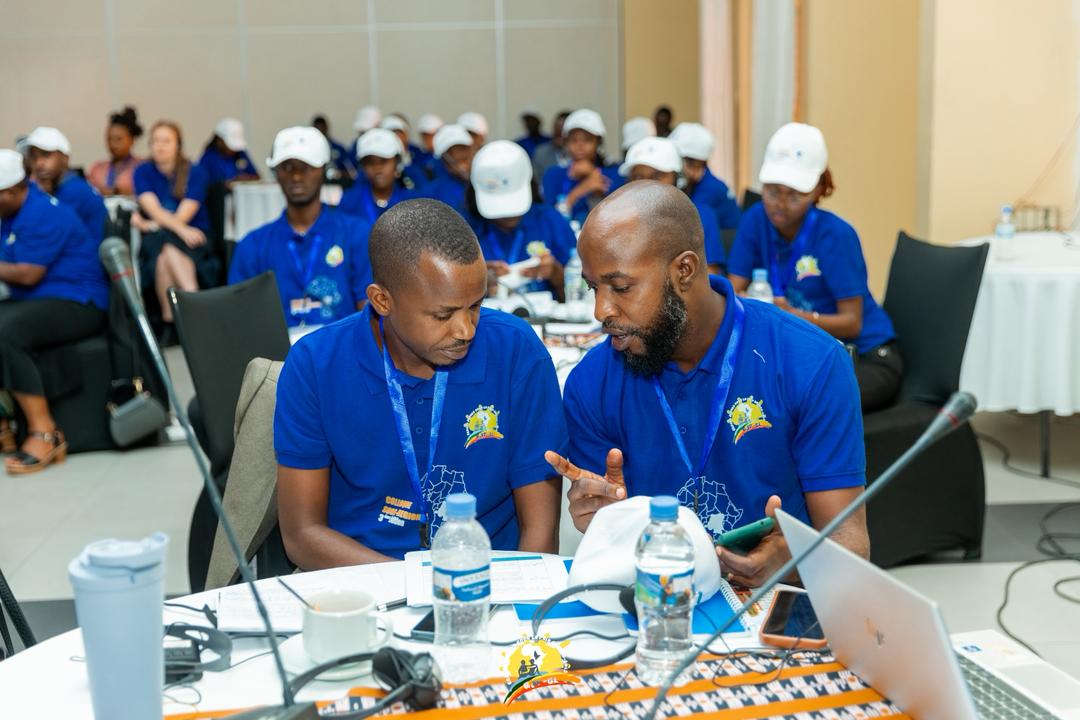
In a region too often defined by its history of conflict, young people redefined its future. From October 6 to 7, 2025, seventy-four (74) young peacebuilders from Burundi, Rwanda, and the Democratic Republic of Congo (DRC) gathered in Kigali, Rwanda, for the 3rd Edition of the “Youth for Peace” Colloquium. United under the theme of cross-border peacebuilding and resilience, they came not only to share experiences but to forge a common vision for a peaceful and prosperous Great Lakes Region.

Participants from Burundi, Rwanda,
and DRC join hands during the opening session of the 3rd “Youth for Peace”
Colloquium in Kigali, Rwanda (October 2025).
A region shaped by conflict, defined by resilience
For more than three decades, the Great Lakes Region has endured recurring cycles of violence that have displaced millions and destabilized entire communities. The consequences, including social division, economic marginalization, and political distrust, continue to affect the region’s youth most acutely.
Too often, young people have been portrayed as either victims of violence or perpetrators manipulated by political actors. Yet this narrative hides a greater truth: across the region, youth are already leading peace efforts, mobilizing communities, rebuilding trust, and crafting local solutions to global challenges.
However, this narrative only captures one side of the coin. The reality is that the vast majority of young people are already powerful peace actors who work tirelessly within their communities, often without recognition or adequate resources. This is precisely why the Youth, Peace and Security (YPS) agenda, anchored by UN Security Council Resolution 2250 and the African Union's Continental Framework on YPS, is so critical. It provides the mandate and moral compass to transition youth from being seen as perpetrators or mere beneficiaries of peace to being acknowledged as essential partners and leaders.
Building bridges across borders
The colloquium, organized by the Network of Youth for Peace in the Great Lakes
Region (RJP-GL), with the
support of the Folke Bernadotte Academy
(FBA), the State of
Baden-Württemberg, the Dioceses
of Freiburg and Rottenburg-Stuttgart, and the Life & Peace Institute (LPI) through the project Cross-border
Peacebuilding and Resilience in the Great Lakes Region, financed by UNDP and the Embassy of the United Kingdom in the DRC, brought
together 74 participants, which included
vibrant youth representatives from the three countries, seasoned researchers,
and other dedicated partners for this matter.
As a participant, I witnessed first-hand how this gathering of the energy of young people into a collective purpose. Over the course of two days, youth representatives, researchers, and technical and financial partners explored ways to transition from dialogue to concrete action. The symposium aimed to:
Ø Strengthen
youth capacities through
experience-sharing and mutual learning on peacebuilding;
Ø Evaluate
joint actions initiated after the 2nd Colloquium
held in Bukavu, DRC, in October 2024, and plan future actions through 2029,
including the University of Freiburg’s
action-research project on peace;
Ø Promote youth employment and entrepreneurship as tools to foster peace, strengthen resilience, and ensure freedom of movement.

bilingual
press release reading—illustrating youth collaboration across borders and
languages
Turning commitments into action
Discussions at the colloquium were not abstract; they were grounded in lived experience. Participants examined the progress and challenges in implementing the YPS agenda at national and regional levels. Through open dialogue, they identified key barriers to youth participation in ongoing peace processes: limited access to decision-making spaces, scarce resources, and a lack of coordinated regional strategies.
Despite these challenges, the symposium concluded with three major commitments that reflect both determination and strategic direction:
These commitments build upon the process set in Bukavu in 2024, marking a clear trajectory toward regional ownership and sustainability. Participants agreed to align their efforts with national YPS frameworks while jointly advocating for greater support from governments and international partners.
Symbols of unity and hope
The closing ceremony captured the spirit of the colloquium with two deeply symbolic moments. First, the final press release was read jointly by two young representatives, one from Rwanda in English and one from the DRC in French, a powerful expression of linguistic and cultural unity. Their message was simple yet profound: peace in the Great Lakes can only be achieved through solidarity, inclusion, and shared responsibility.
Then, in the heart of Kigali, participants joined hands to plant a tree of peace, a living symbol of their commitment to nurturing reconciliation and growth across borders. The act embodied their collective vision: a region where young people are not just beneficiaries of peace but the very architects of it.

Youth
planting a tree, symbolizing hope and long-term peace
Why stakeholders must act now
The message emerging from Kigali is clear: youth are ready to lead, but they cannot do it alone. To translate commitments into concrete change, UN agencies, INGOs, and development partners should scale up their engagement with youth-led peacebuilding initiatives in the Great Lakes Region.
Investing in young peacebuilders offers a multiplier effect; empowered youth not only prevent conflict but also drive social cohesion, entrepreneurship, and community resilience. Local ownership ensures sustainability: when peace is built by communities themselves, it endures.
The frameworks already exist. National Action Plans on YPS, developed with support from the United Nations agencies, provide a strategic foundation for partnership. What is needed now is implementation support, resources, mentorship, and recognition that place young people at the center of peace and development efforts.
The young people of Burundi, Rwanda, and the DRC have shown what is possible when courage meets collaboration. Their message resonates across borders: the future of peace in the Great Lakes Region depends on the youth who choose dialogue over division, cooperation over conflict, and hope over fear.
Author: Franck NGENZEBUHORO, a
Co-Director at Youth Empowerment and Leadership Initiative (YELI-Burundi)
Participant, 3rd “Youth for Peace” Colloquium – Kigali, Rwanda
Network of Youth for Peace in the Great Lakes Region (RJP-GL)